Our Impact
Transforming schools by centering youth leadership and restorative practices.
Meeting the Moment: Why Our Work Matters
When students are equipped with the skills to resolve conflict peacefully, to listen with empathy, and to lead their communities, they don’t just feel safer at school. They learn more. They show up more. They become more. At Western Justice Center (WJC), we empower youth, educators, and communities with conflict resolution skills that foster safe, inclusive schools and long-term success. Conflict resolution is a vital life skill—supporting personal growth, workplace readiness, civic engagement, and community leadership.
Today, WJC leads the largest Restorative Education initiative in LA County, with staff supporting more than 40 schools across multiple districts. While we provide a range of accessible training opportunities for students and educators, the focus of our work is on building long-term partnerships designed to shift school culture, climate and discipline practices districtwide.
At A Glance
We are building a community of young peacebuilders and the adults who support them.
Since 2022
4,549
Students, educators and volunteers trained in
conflict resolution and restorative practices
38,000+
Young people learning in schools where
conflict resolution tools are in use
In the 2025-2026 School Year
664+
Students trained as
peer mediators
4,047
Students supported through restorative circles
718
Educators engaged in restorative justice practices
The Ripple Effect
Change in one classroom, one school can influence an entire school community. By empowering student voice, training educators, and building coalitions, Western Justice Center creates a ripple effect that reaches far beyond the classroom and can transform neighborhoods.
Student mediators help classmates de-escalate conflict. Educators use conflict resolution education and restorative tools to repair harm and rebuild trust. Administrators make decisions that prioritize belonging over exclusion. Young people are equipped with the knowledge and tools to navigate conflict effectively, develop the confidence to become agents of change, and take meaningful action to transform their communities. Together, they are creating safer schools and stronger communities.
Peace Is A Practice
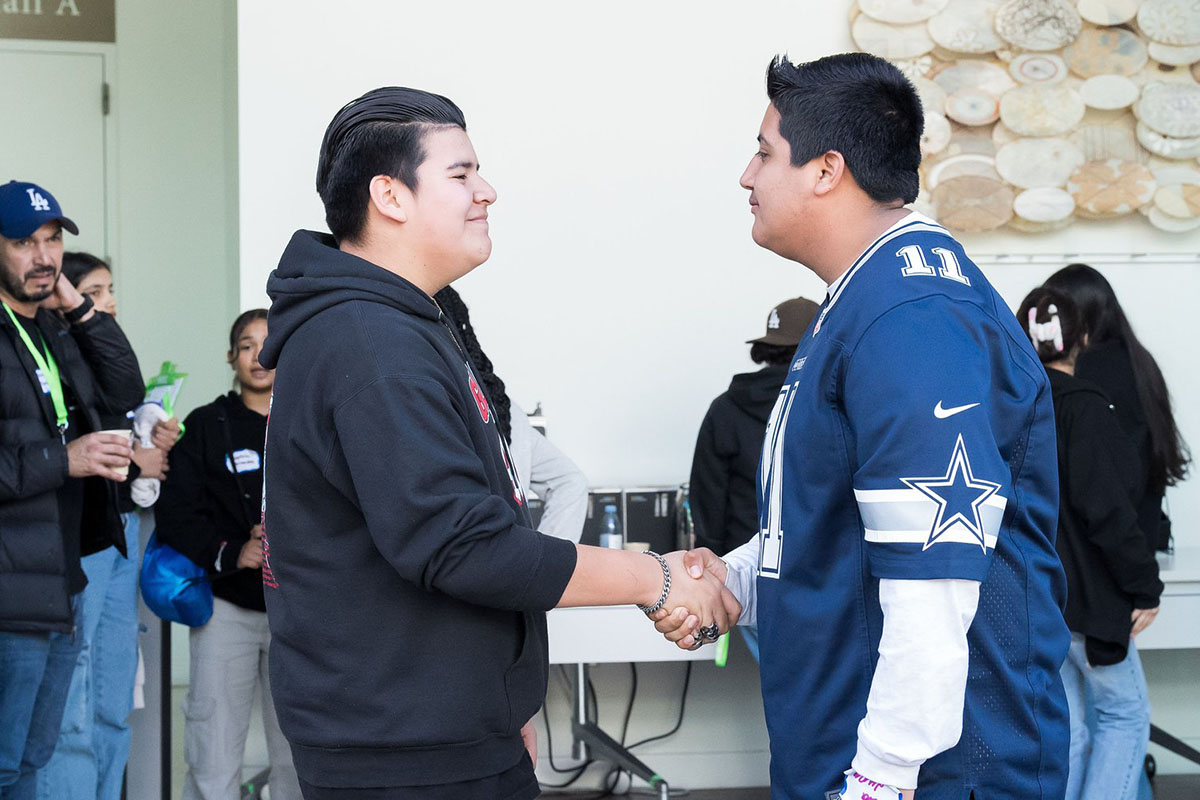
Students: Young people are trained as peer mediators and circle keepers. They practice listening, problem solving and leadership, and they support classmates through conflict instead of watching fights escalate.
Educators: Teachers and school staff use restorative practices that help them support students who face the steepest obstacles. They have concrete tools to repair harm, not only to punish it.
Administrators: Principals and district leaders apply our model to complex challenges on their campuses. They shift from crisis response to schoolwide systems that build safety, trust and belonging.

55 South Grand Avenue,
Pasadena, CA 91105
(626) 584-7494


Subscribe
#BuildingPeaceTogether
© 2026 Western Justice Center. All Rights Reserved.